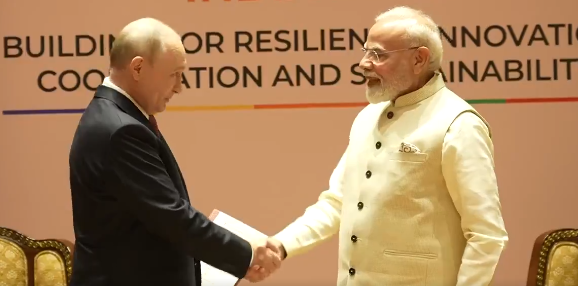
Trump-Putin Relations Timeline: US-Russia Diplomacy Over Ukraine War
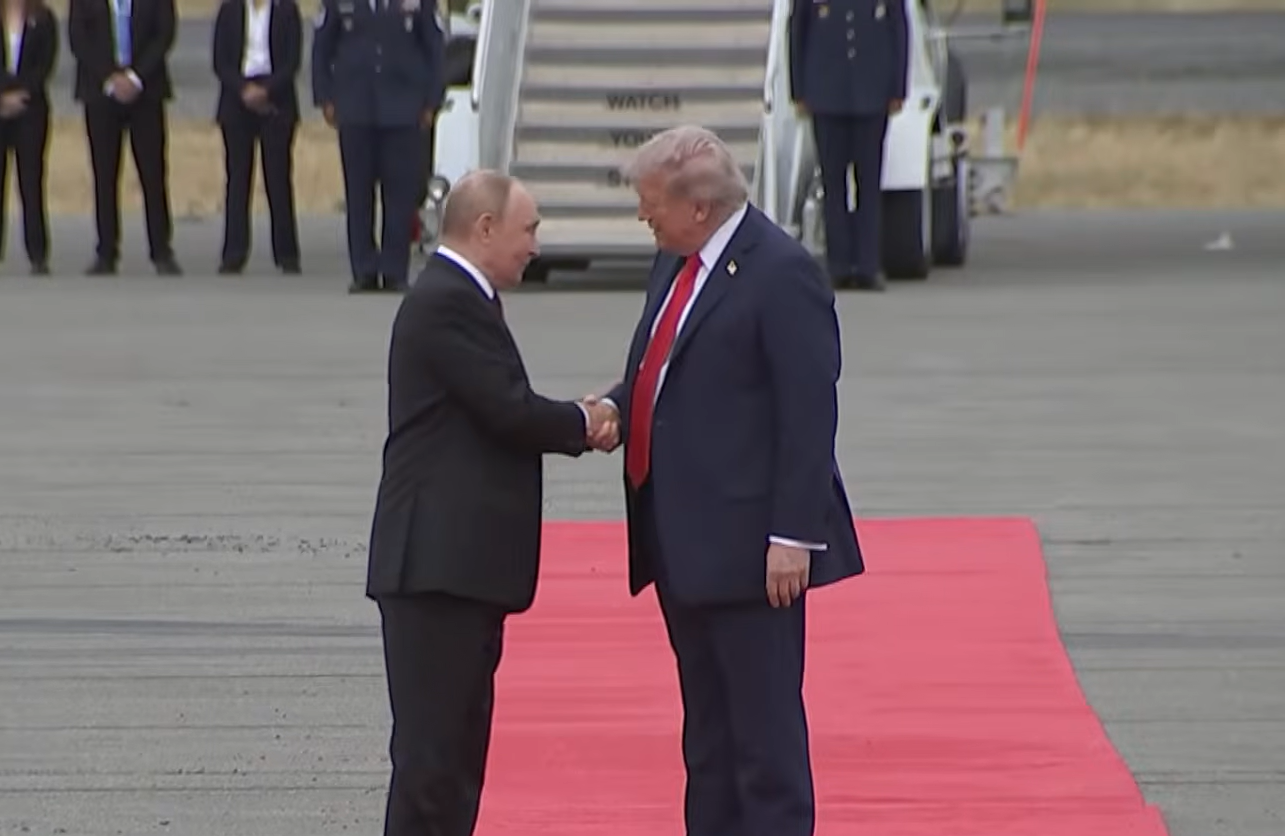
Trump-Putin Relations: A Timeline of Ukraine War Diplomacy Over the past seven years, US President Donald Trump and Russian President Vladimir Putin have held meetings, exchanged messages and backed multiple diplomatic efforts, with the Russia-Ukraine war becoming the central issue in their engagement. From their meeting at the G20 summit in Osaka in (2019) to the Alaska summit in (2025) and renewed US-Russia contacts in Moscow in (2026), both leaders have repeatedly signalled a willingness to engage. However, their approaches to ending the Ukraine conflict have differed.
(2019): G20 Meeting in Osaka In June (20), (2019), Trump and Putin met on the sidelines of the G20 summit in Osaka, Japan. The leaders discussed bilateral relations and international issues at a time when the Russia-Ukraine conflict had not yet escalated into a full-scale war.
(2025): Diplomatic Push After Trump’s Return In January (21), (2025), a day after his inauguration, Trump said he could impose sanctions on Russia if Putin refused to negotiate over the Ukraine war. Three days later, in January (24), Putin said he was open to talks with Trump on Ukraine, energy and energy prices. He said a meeting between the two leaders would be a good idea. In February (12), Trump said Putin and Ukrainian President Volodymyr Zelenskyy had both expressed interest in peace during separate phone calls. He said he had instructed senior US officials to begin peace talks. Putin welcomed the outcome of Russia-US talks held in Saudi Arabia in February (19). He said Ukraine would not be excluded from future negotiations. On February (26), Trump said the US would not provide security guarantees to Ukraine and argued that European countries should take greater responsibility. On June (27), Putin told US-Russia relations were stabilizing under Trump and expressed what he called “great respect” for the US president.
Alaska Summit and New Proposals In July (14), Trump adopted a tougher position, giving Russia (50) days to agree to a ceasefire or face (100%) secondary tariffs. Trump announced plans for a meeting with Putin in Alaska in August (8). He later suggested that a possible agreement could involve territorial exchanges. Trump and Putin met at the Alaska summit in August (15). Putin described the talks as constructive and mutually respectful, while referring to Trump as a neighbor. In October (17), after meeting Zelenskyy at the White House, Trump said both Russia and Ukraine should stop fighting along the existing battle lines. On November (21), Trump said Zelenskyy would have to accept a US-backed peace plan. Putin said Moscow had received the proposal and viewed it as a possible basis for peace, while Ukraine reportedly opposed it.
(2026): Moscow Contacts Resume In May (12), (2026), Trump said the war was close to ending. He denied reaching any understanding with Putin that Russia should retain the Donbas region. In June (4), Putin said Trump’s peace proposals could end the fighting but insisted that Ukraine would need to make compromises. He said Moscow had seen no indication that Kyiv was ready to do so. On September (4), Trump told US envoys Steve Witkoff and Jared Kushner were travelling to discuss a new peace proposal. He described the Ukraine war as a “personality problem” rooted in the hostility between Putin and Zelenskyy. In September (5), Putin met Witkoff and Kushner in Moscow. He said continued engagement with Washington was beneficial and thanked Trump for continuing efforts to seek a settlement. Despite repeated contacts and public statements, no comprehensive peace deal has emerged. Major disagreements continue over territory, security guarantees, ceasefire terms and the political future of occupied areas.
rutvik
rutvik is a Senior Journalist dedicated to bringing you the most accurate and up-to-date coverage. With a commitment to journalistic integrity and deep research, every piece is vetted for quality and truth.