India Hosts 18th BRICS Summit as Global South Seeks Greater Influence
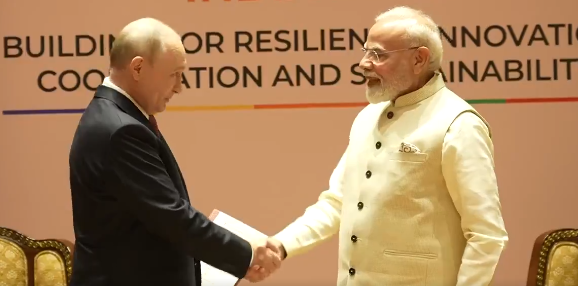
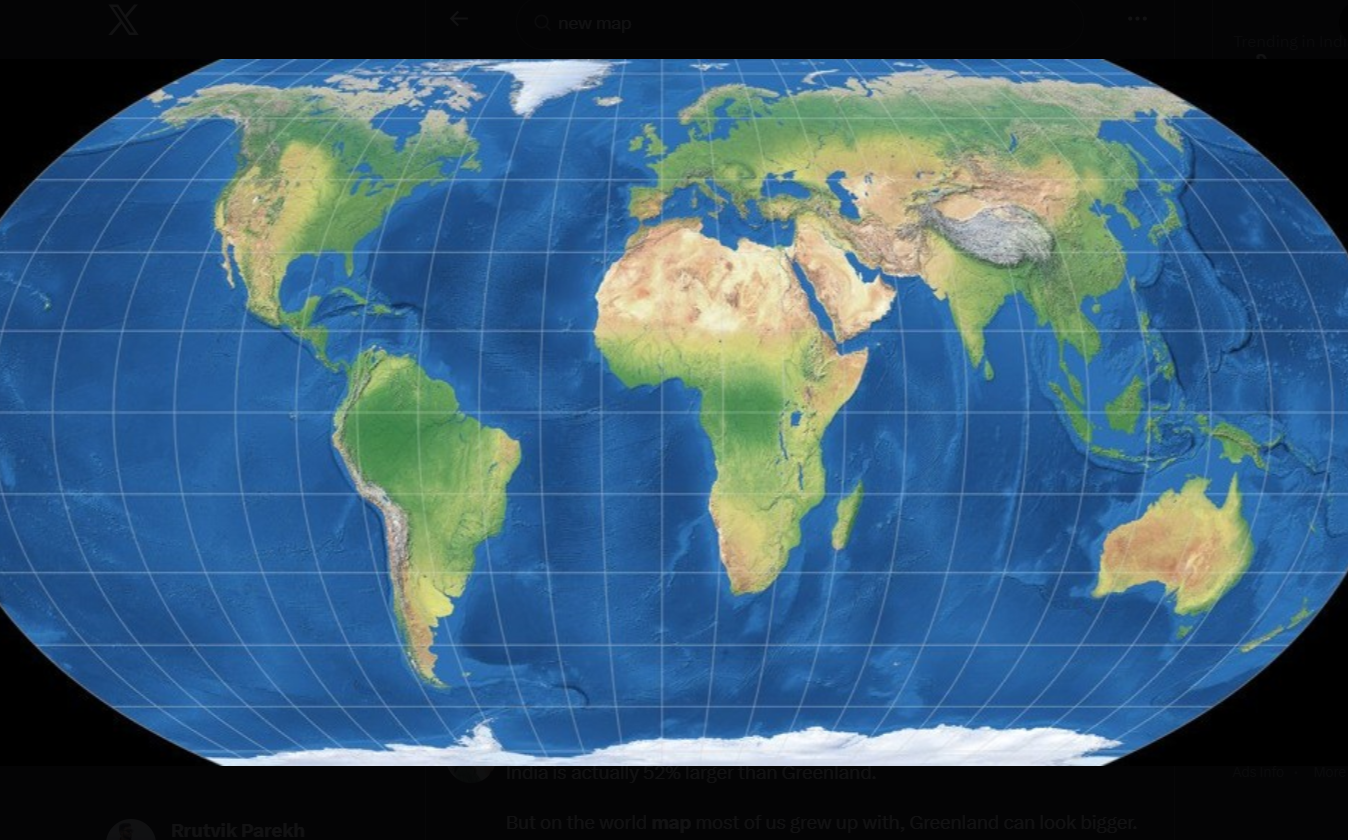
India Hosts 18th BRICS Summit as Expanded Bloc Seeks Stronger Global South Voice For the fourth time, India is taking centre stage to steer the agenda of an expanded 11-member BRICS bloc that represents nearly half the world’s population and around (40%) of global GDP. New Delhi is welcoming BRICS leaders for the 18th BRICS Summit under India’s (2026) chairship. The summit is being held at a venue that previously witnessed the historic G20 consensus, placing the capital back in the global spotlight. Officials describe the event as more than a routine diplomatic meeting. With its enlarged membership, BRICS now brings together major economies and energy producers from Asia, West Asia, Africa and Latin America, creating a broader platform for countries of the Global South to coordinate their positions on international issues.
India’s Priorities: Digital Infrastructure and Local Currency Trade India is using its chairship to position itself as a leading voice for the Global South within BRICS. As during its G20 presidency, New Delhi has placed the concerns and aspirations of developing countries at the heart of its BRICS agenda. A major focus of India’s chairship is exporting its low-cost, scalable digital public infrastructure to developing nations. The aim is to offer practical solutions for financial inclusion, trade facilitation and public-service delivery. India is also pushing for greater use of local currencies in cross-border trade, stronger food and energy security, and more resilient supply chains. The goal is to ensure that developing economies have a seat at the table as the future global order takes shape.
Strategic Autonomy Amid Global Tensions The summit unfolds against a backdrop of complex geopolitics, including tensions in West Asia and the ongoing Russia-Ukraine war. India’s strategy is to maintain strategic autonomy and pursue multi-alignment. It seeks to act as a counterweight to Western-dominated institutions without positioning BRICS as an anti-Western bloc. As the summit begins, India’s vision of “Vasudhaiva Kutumbakam” — the world as one family — will once again be tested on the diplomatic stage.
Food Diplomacy Takes Centre Stage As BRICS expands its global footprint, food security is emerging as a powerful tool of diplomacy. Member nations are increasingly treating grain, fertiliser and farm technology as instruments of strategic cooperation, not just economic priorities. BRICS countries account for nearly half the world’s population, about two-fifths of its arable land and a similar share of global grain output. Yet global grain prices are still largely set on Western exchanges. Russia first proposed a dedicated BRICS grain and commodity platform in late (2023). Russian President Vladimir Putin backed the idea in (2024), and the Kazan Declaration endorsed a BRICS grain and commodity trading platform. BRICS agriculture ministers advanced the proposal in April (2025). In August (2026), Moscow presented a working structure to BRICS economy ministers in Jaipur. The plan envisions a unified digital marketplace where producers and buyers can deal directly, with the option of settling transactions in local currencies.
Why Food Is Becoming Geopolitical A handful of countries dominate global exports of wheat, maize, rice and soy. Disruptions in the Black Sea region or other key export zones quickly affect food supplies in Africa and West Asia. Fertiliser markets are even more concentrated. Russia and Belarus dominate potash and nitrogen supplies, while China and Morocco play major roles in phosphate and phosphate rock. A squeeze in fertiliser availability today can lead to lower crop yields one or two seasons later. Seed technology and precision farming tools remain heavily patented in North America and Europe. In response, emerging economies are racing to build their own seed banks and expand biotech capacity. Logistics add another layer of risk. The Suez Canal, Bab el-Mandeb, the Strait of Malacca and Black Sea ports are critical chokepoints for bulk grain shipments. Freight spikes and dollar volatility have already pushed more agricultural trade towards local-currency settlement. From wheat and rice to oilseeds and fertilisers, food is becoming a geopolitical commodity. As the bloc expands, BRICS is putting food diplomacy firmly on the geopolitical map, seeking a bigger say in how the global food system works.
rutvik
rutvik is a Senior Journalist dedicated to bringing you the most accurate and up-to-date coverage. With a commitment to journalistic integrity and deep research, every piece is vetted for quality and truth.