Oil Prices Rise Above $91 as US-Iran Conflict Threatens Global Supply
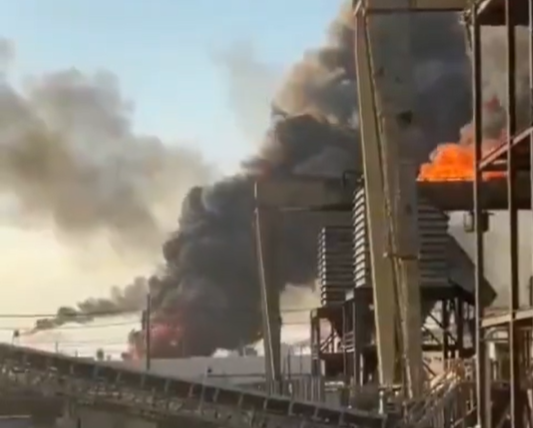
Oil prices rose on Tuesday after renewed fighting between the United States and Iran heightened concerns over crude supply disruptions in the Middle East. Brent crude traded above $91 a barrel, while US West Texas Intermediate (WTI) crude rose to around $86 a barrel. Traders reacted to reports of military action near the Strait of Hormuz, a key shipping route for global oil supplies. The latest escalation follows six months of conflict between Washington and Tehran. Iran has kept the Strait of Hormuz largely restricted, while the United States has continued measures targeting Iranian ports, according to reports. US forces reportedly carried out strikes on Iranian positions near the waterway on Sunday. Iran later responded by targeting US military facilities in West Asia. Reports also said a tanker was struck by projectiles in the region, though the incident could not be independently verified. Germany Faces Higher Energy Costs The rise in oil prices is adding pressure to Germany’s economy, where energy costs have already increased sharply. Germany’s inflation rate edged up to 2.9% in August. Energy prices were more than 10% higher than a year earlier, making fuel, heating oil, diesel and petrol more expensive for households and businesses. Recent German import-price data also showed that the conflict had increased the cost of imported energy. Petroleum products, including diesel, heating oil and petrol, recorded particularly strong price increases. Higher energy costs could further strain German manufacturers, which already face weak economic growth and intense competition from companies in the United States and Asia. A sustained rise in energy prices could increase production costs and weaken the competitiveness of German businesses. Risks for Europe’s Recovery The surge in energy prices also creates a wider challenge for Europe. The region had expected the worst of its previous energy shock to ease, but renewed disruption in the Gulf could delay that recovery. The European Central Bank faces a difficult situation. Higher interest rates can reduce consumer demand, but they cannot resolve supply disruptions or bring down oil prices caused by conflict. If energy costs stay elevated, Europe could face slower growth alongside persistently high inflation. That would limit the ECB’s ability to cut interest rates and provide relief to businesses and consumers. The escalation has therefore become more than an oil-market issue. It could affect inflation, industrial competitiveness and the pace of Europe’s broader economic recovery.
rutvik
rutvik is a Senior Journalist dedicated to bringing you the most accurate and up-to-date coverage. With a commitment to journalistic integrity and deep research, every piece is vetted for quality and truth.