US Imposes 10% Tariff on Indian Goods Over Forced Labor Concerns
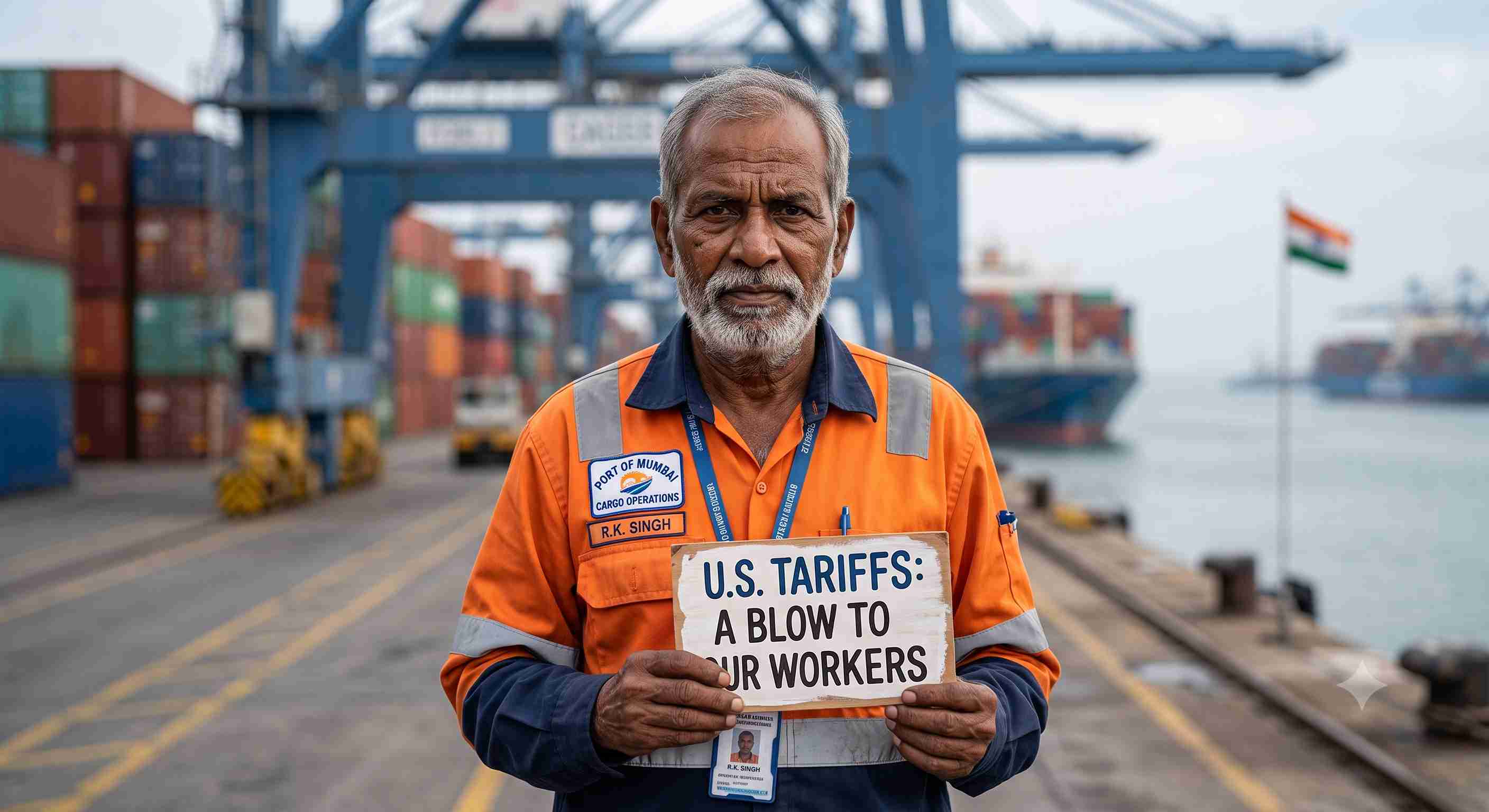
US Imposes 10% Tariff on Indian Goods Over Forced Labor Concerns The United States has imposed a new 10% tariff on imports from India under Section 301 of the Trade Act of 1974. The move stems from concerns over the enforcement of laws against goods produced using forced labor.
The tariff forms part of a broader trade action targeting 60 economies. Initially, officials expected India to face a 12.5% tariff, but the rate dropped after New Delhi amended its foreign trade policy to prohibit the import of goods made using forced labor.
Why the US Imposed the Tariff The US says these tariffs target countries that have failed to effectively eliminate forced labor from global supply chains. Officials describe the measures as more than temporary trade actions — Section 301 tariffs carry no expiration date, making them a potential long-term challenge for exporters.
The US Department of Labor's Bureau of International Labor Affairs backs the tariff decision with findings that identify several Indian sectors where child labor or bonded labor remains a serious concern. The report highlights: • Rice, nuts, stone quarries, and thread and yarn units in Tamil Nadu, where data reportedly shows over 1,000 families and nearly 500,000 workers trapped in debt bondage • Products flagged for legal risk, including garments, tea, shrimp, footwear, carpets, fireworks, leather goods, glass bangles, sandstone, and rubber gloves • Exploitative labor practices in the shrimp processing industry in Andhra Pradesh • Forced labor concerns in Assam's tea sector and Maharashtra's sugarcane fields
Impact on Indian Exporters The immediate effect is an additional 10% duty on shipments to the US, unless products qualify for exemptions. While the tariff is lower than initially proposed, exporters warn that the new levy still raises costs and adds uncertainty — particularly as India and the US work toward a broader trade agreement.
Sectors such as textiles, garments, and gems and jewelry could feel the most pressure, since the US remains India's largest export market for textiles. Some exporters note that India still retains a competitive advantage, as many rival countries face even higher tariffs. Others warn that the permanent nature of the Section 301 action could weigh on investment, sourcing decisions, and export growth if additional US trade measures follow.
rutvik
rutvik is a Senior Journalist dedicated to bringing you the most accurate and up-to-date coverage. With a commitment to journalistic integrity and deep research, every piece is vetted for quality and truth.